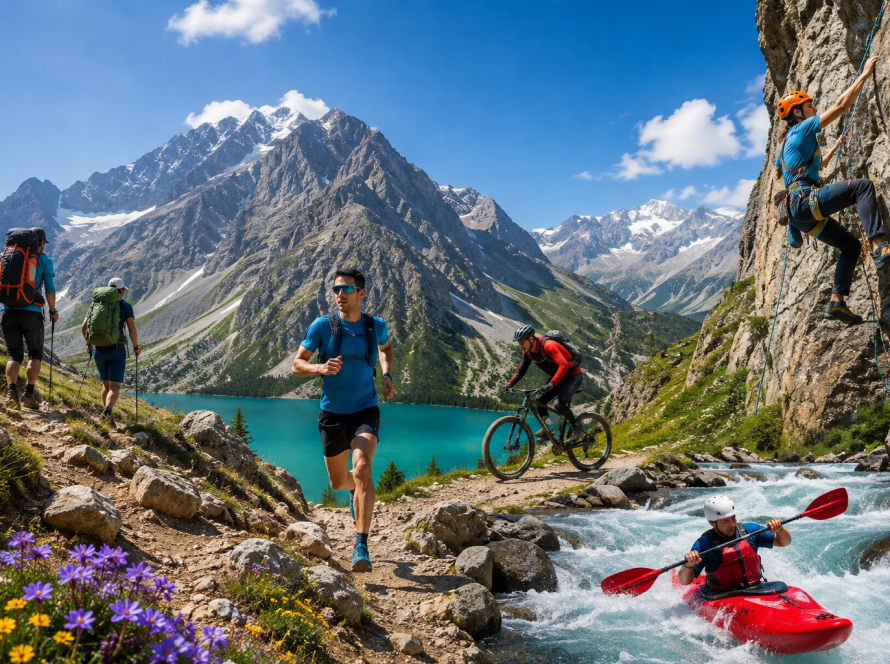


Ecological tourism (ecotourism) is one of the key and priority areas of the tourism sector, aimed at environmental protection, rational use of natural resources, and sustainable development of society. Today, in the context of climate change and increasing human impact on nature, the importance of ecotourism continues to grow.
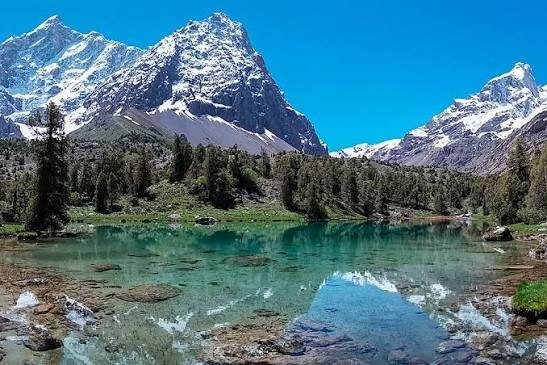
The Republic of Tajikistan, with its unique and beautiful nature, has vast opportunities for the development of ecotourism. Towering mountains, including the Pamir and Fann ranges, large glaciers, clear rivers, scenic lakes, and rich biodiversity make Tajikistan an attractive tourist destination. National parks and nature reserves, including Romit and Shirkent, play an important role in attracting both domestic and international tourists.
Ecotourism not only offers the enjoyment of natural landscapes but also promotes learning about nature, culture, and local traditions. When visiting rural areas, tourists become familiar with the lifestyle of local people, traditional crafts, national cuisine, and customs, contributing to the preservation of cultural heritage.
The development of ecotourism also brings significant economic benefits: it creates new jobs, supports small and medium-sized businesses, and improves the living standards of local communities. Increasing environmental awareness and ensuring strict environmental protection should remain top priorities.
Furthermore, expanding cooperation with international organizations, participating in exhibitions, and promoting Tajikistan’s tourism potential globally can help attract more tourists. It should be noted that ecotourism is one of the most promising and important sectors for the country’s future development.